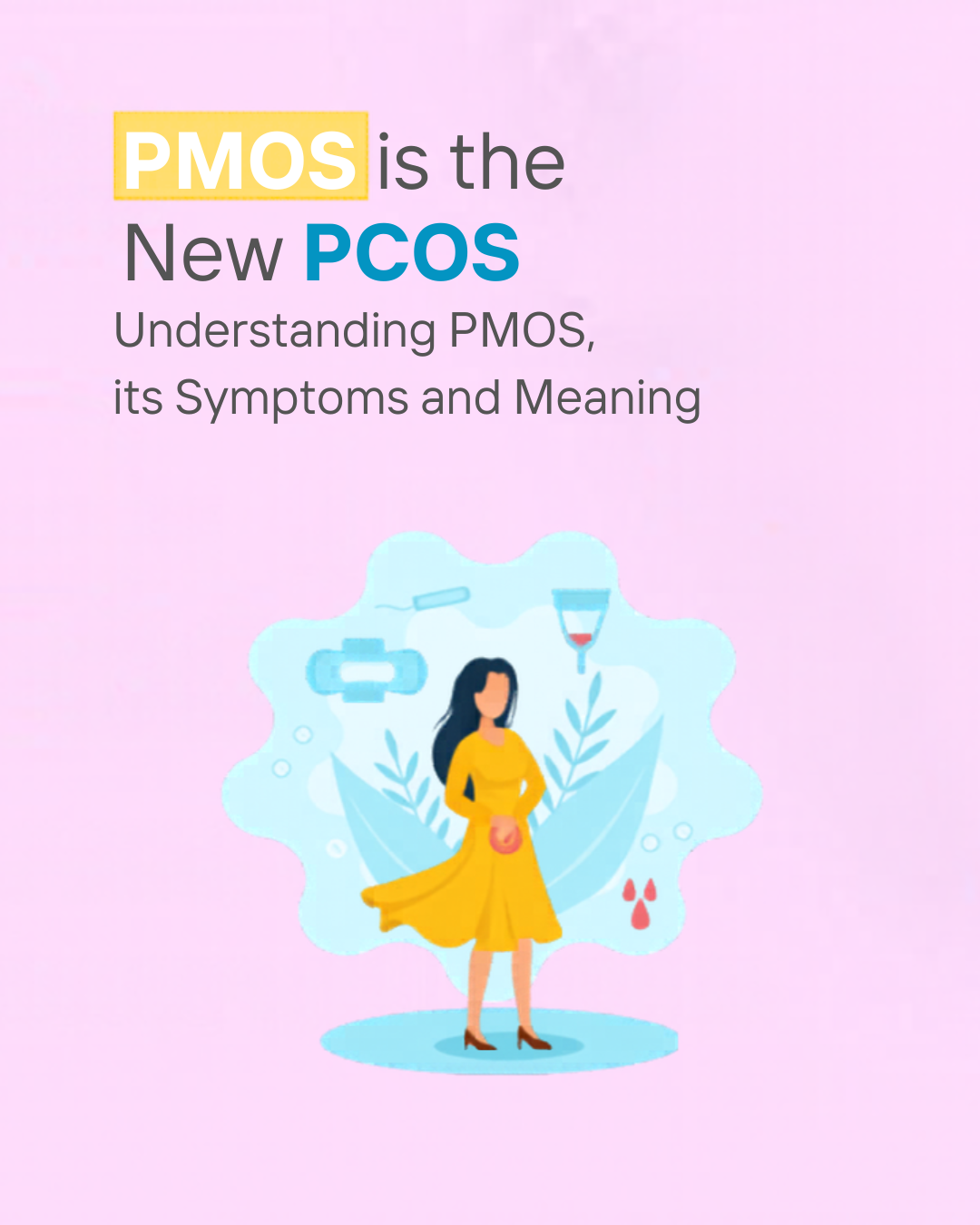
Polyendocrine Metabolic Ovarian Syndrome (PMOS), formerly known as PCOS is no longer just a hormonal imbalance. In the modern clinical landscape, we recognize it as a complex endocrine and metabolic disorder that effects nearly 1 in 10 women of reproductive age. We believe that PMOS management should not be a "One-size-fits-all" prescription. It requires a nuanced, patient-centric approach that addresses fertility, metabolic health and emotional well-being. As a fertility specialist, I often see patients who feel overwhelmed by conflicting advice. I aim to bridge the gap between clinical research and daily lifestyle. providing a roadmap for managing PMOS effectively.
Understanding the Why behind PMOS Symptoms
To manage PMOS, we must first understand its pathophysiology. While the exact cause remains very tough to identify, but there are three primary pillars drive the syndrome:
1- Insulin Resistance - Excess insulin can increase androgen (male hormone) production, leading to difficulty with ovulation.
2: Hormonal Imbalance - Elevated levels of Luteinizing Hormone (LH) or androgens like testosterone.
3- Low-Grade Inflammation - Research published in PubMed suggests that women with PCOS often have a type of low-grade inflammation that stimulates polycystic ovaries to produce androgens.